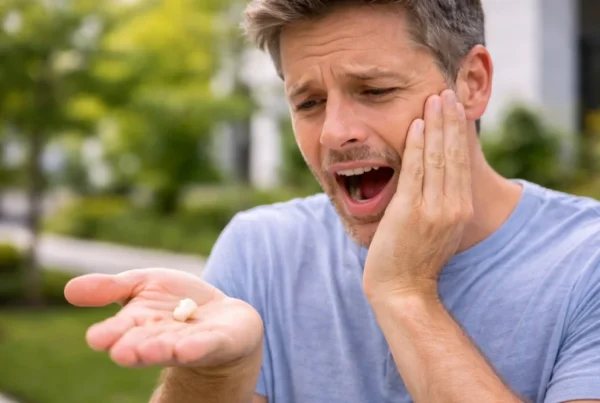


Losing a filling or crown usually happens without warning, often while eating, and the first question most people have is whether they need to drop everything and call a dentist. The answer depends on what the tooth feels like and how quickly symptoms develop. Grand Prairie Family Dental, located in Grand Prairie TX, sees patients for lost fillings and crowns under Dr. Behrooz Khademazad, DDS, who has practiced at this location since August 28, 1988 and has guided patients through exactly this situation for over 35 years.
If the tooth is sensitive, sharp, or painful, that is a signal to call the same day. If there is no discomfort and the tooth feels stable, you have a short window to schedule your emergency dentistry treatment before the situation changes. Patients from Sheffield Village and Dalworth Park who call Grand Prairie Family Dental when a restoration falls out consistently leave with a clear answer before they spend time worrying about what to do next.
Why Fillings and Crowns Fall Out
Fillings and crowns are built to last but they are not permanent. Normal chewing forces wear down bonding material over time and decay developing underneath a restoration can cause it to loosen before the surface shows any visible signs of a problem. A restoration that falls out is not always the result of something going wrong. It is a signal that the tooth needs to be evaluated and repaired.
Sticky foods, temperature changes, and nighttime grinding can all accelerate this process. In some cases a filling or crown comes loose without any obvious trigger. The important thing is what happens next, not what caused it.
Is a Lost Filling or Crown a Dental Emergency
A lost filling or crown is not always a same-day emergency but it should never be treated as something that can wait indefinitely. The urgency depends on three things: how much pain is present, how sensitive the tooth feels, and whether there are any signs of infection. A tooth without its restoration is unprotected and more vulnerable to fracture and decay from the moment the filling or crown comes out.
Sharp pain, visible swelling, or bleeding elevate the situation to urgent and warrant a same-day call. Mild sensitivity without pain is less urgent but still needs to be addressed within a day or two. Waiting too long increases the risk of a simple repair becoming a more involved procedure.
What to Do Right Away
The first few steps after a filling or crown falls out can make a real difference in protecting the tooth until you are seen. Taking the right actions reduces the risk of additional damage and keeps the tooth as stable as possible before treatment. Here is what to do immediately:
- Rinse your mouth gently with warm water to clean the area and remove any debris
- If the crown came out intact save it, keep it clean, and bring it to your appointment
- Avoid chewing on that side of your mouth until the tooth has been evaluated
- If sensitivity is significant, avoid hot, cold, or sugary foods and drinks
- Temporary dental cement from a pharmacy can protect an exposed tooth for a short time but is not a substitute for professional care
- Call Grand Prairie Family Dental to describe your symptoms and get same-day guidance on timing
These steps keep the situation manageable until Dr. Khademazad can evaluate the tooth. Patients who follow them consistently have better outcomes than those who wait and see without taking any protective measures in the meantime.
When You Should Seek Urgent Dental Care
Certain symptoms signal that a lost filling or crown needs faster attention. Pain that worsens, swelling, or signs of infection should not be ignored. These symptoms often mean the tooth or nerve is irritated.
If the tooth feels sharp or rough, it can injure the tongue or cheek. A crown that repeatedly falls out also needs prompt evaluation. Seeking care early helps prevent tooth fracture or infection.
When to Call for Same-Day Care
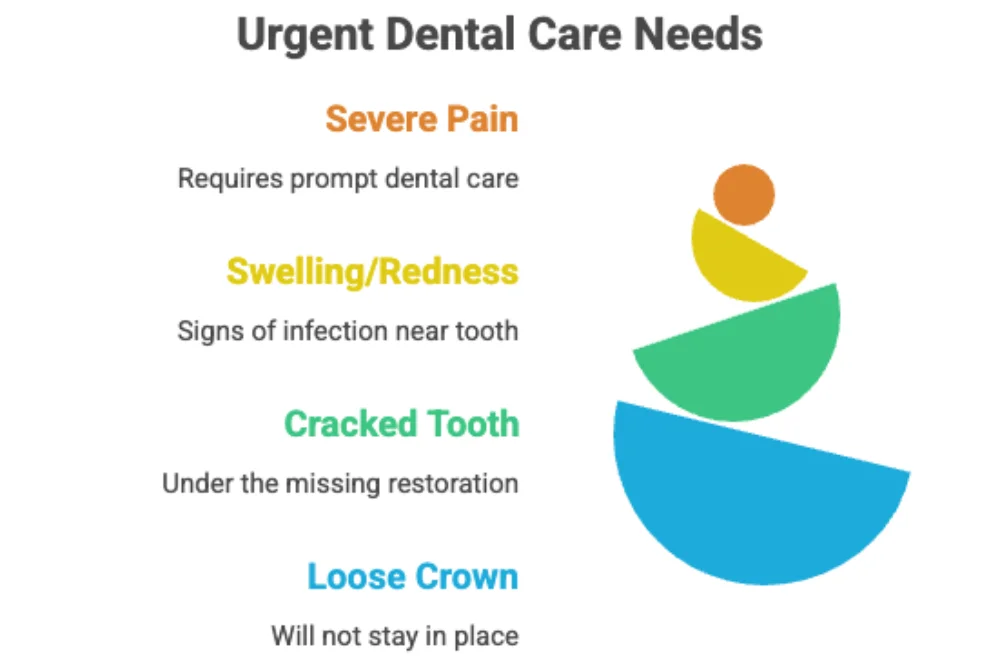
Most lost fillings and crowns can be addressed within a day or two without the situation becoming significantly worse. There are specific symptoms that change that timeline and make same-day contact the right call. Dr. Khademazad evaluates urgent situations over the phone and gets patients in as quickly as possible when the clinical picture warrants it. Symptoms that require prompt same-day contact include:
- Moderate to severe pain after the filling or crown falls out
- Visible swelling, redness, or warmth near the tooth or gum
- A cracked or jagged tooth surface under the missing restoration
- A crown that will not stay in place or has come out more than once
- Any sign of infection including a bad taste, discharge, or fever
Patients from Mountain Creek Townhouses and Forum Estates who call with these symptoms are triaged immediately and scheduled the same day whenever possible. Getting in quickly for these situations prevents a straightforward repair from becoming a root canal or extraction.
When a Lost Filling or Crown Can Usually Wait Briefly
In some cases, discomfort is minimal and the tooth feels stable. A recently lost filling without pain may allow a short delay. This does not mean the issue is harmless.
Exposed tooth structure can weaken quickly. Scheduling care soon helps prevent sensitivity and decay. If symptoms change, the situation may become urgent.
Lost Filling vs. Lost Crown
The urgency and next steps vary slightly depending on whether a filling or a crown came out. Here is how the two situations compare.
| Situation | Common Symptoms | Typical Urgency |
|---|---|---|
| Lost filling | Sensitivity, rough or exposed area | Prompt but not always same-day |
| Lost crown | Exposed tooth, discomfort, sensitivity | Usually same-day or next day |
| Loose crown still in place | Shifting, mild pain, movement when biting | Needs evaluation before it falls out |
A loose crown that has not yet come out should be treated with the same urgency as one that has. Once a crown begins to move it is at risk of being swallowed or breaking during a meal, and the tooth underneath is already being exposed to bacteria with every shift.
Why Prompt Repair Protects Your Tooth
An unprotected tooth is structurally weaker than one with a restoration in place. Without the filling or crown distributing bite forces across the tooth, normal chewing can cause the remaining tooth structure to crack or fracture. Bacteria reach the exposed dentin within hours and begin the process of decay that, if left untreated, can reach the nerve and require more intensive treatment.
Dr. Khademazad’s approach to lost restorations is to evaluate the tooth thoroughly before recommending repair so the right treatment is done the first time. Early repair almost always leads to a simpler, more predictable outcome than waiting until symptoms force the issue.
Trusted Care for Lost Fillings and Crowns
At Grand Prairie Family Dental, patients receive thoughtful care when restorations fail. The goal is to relieve discomfort and protect the tooth. Treatment recommendations are explained clearly so patients understand their options.
Dr. Behrooz Khademazad brings decades of experience and ongoing education to every case. If you lose a filling or crown and are unsure what to do next, contact Grand Prairie Family Dental at 972-988-0900. The office is located at 2475 W Pioneer Pkwy, Grand Prairie, Texas 75051.
Grand Prairie Family Dental
2475 W Pioneer Pkwy Grand Prairie, Texas, 75051
Google Reviews: See More Reviews From Grand Prairie Family Dental
View information about local places in our community.
Driving Directions to Our Practice
Frequently Asked Questions
Is Losing a Filling a Dental Emergency?
A lost filling is not always an immediate emergency but it should be addressed promptly, especially if sensitivity or pain develops after it falls out. An exposed tooth is unprotected and vulnerable to fracture and decay from the moment the filling comes out. If you have no pain and the tooth feels stable you have a short window to schedule care. If sensitivity or pain develops, call Grand Prairie Family Dental the same day.
Can I Put a Crown Back on Myself at Home?
Temporary dental cement from a pharmacy can hold a crown in place briefly and protect the tooth from sensitivity but it is not a long-term solution. Placing a crown yourself without professional evaluation risks damaging the tooth or the crown if the fit is not correct. A dentist needs to check the underlying tooth for decay or damage before re-cementing any crown. Bring the crown to your appointment and let Dr. Khademazad evaluate whether it can be recemented or needs to be replaced.
How Long Can I Wait to Fix a Lost Crown?
Even without pain, scheduling care within one to two days is strongly recommended. An unprotected tooth can develop sensitivity, collect bacteria, and begin decaying quickly. The longer the tooth remains exposed the higher the risk of a crack or fracture that changes the treatment from a simple recementation to a more involved restoration. If symptoms develop before your appointment, call the office to move up your visit.
Can a Lost Filling Lead to Infection?
Yes. When a filling falls out bacteria reach the exposed inner layers of the tooth, called dentin, and can progress toward the nerve if the tooth is left untreated. An infection that reaches the nerve requires root canal treatment rather than a simple filling replacement. Most patients do not feel an infection developing until it is already advanced. Scheduling repair promptly after a filling falls out is the most reliable way to prevent that progression.