

Not every chipped tooth requires a same-day call but some do, and knowing the difference before pain gets worse is exactly what this article is for. Grand Prairie Family Dental, located in Grand Prairie TX, sees patients for chipped, cracked, and broken teeth under Dr. Behrooz Khademazad, DDS, who has practiced at this location since August 28, 1988 and has helped families across Grand Prairie navigate exactly this decision for over 35 years.
The urgency depends on how deep the damage goes and what symptoms develop in the hours after it happens. If you are dealing with a dental emergency in Grand Prairie TX, getting the right guidance fast is what separates a simple repair from a more complex procedure. Patients from Pioneer Ridge and Dalworth Park who call Grand Prairie Family Dental after tooth damage get a clear answer over the phone before they spend time guessing. Most say the call took less than five minutes and told them everything they needed to know.
Understanding the Difference Between Chipped, Cracked, and Broken Teeth
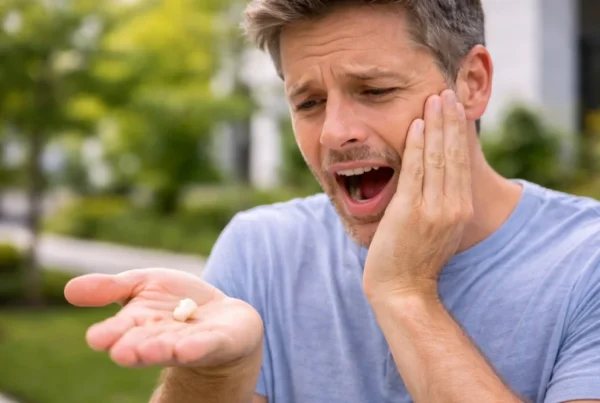
Not all tooth damage is the same, and understanding the difference helps determine urgency. A chipped tooth usually involves a small piece of enamel breaking away. A cracked tooth often has a fracture line that may extend deeper into the tooth structure.
A broken tooth typically involves a larger portion of the tooth and may expose inner layers. This type of damage is more likely to cause pain, sensitivity, or bleeding. The deeper the damage goes, the higher the risk of infection or nerve involvement.
When a Chipped Tooth Is Usually Not an Emergency
Small chips that do not cause pain often feel alarming but are not always dental emergencies. These minor chips usually affect only the outer enamel layer. Many patients notice them while eating or brushing and feel concerned right away.
If there is no pain, sharp edge, or sensitivity, the tooth can often be evaluated during a regular dental visit. Cosmetic repair may still be recommended to prevent future damage. Scheduling care sooner rather than later helps keep the chip from worsening.
Signs a Cracked or Broken Tooth Needs Urgent Care
Some symptoms signal that tooth damage should be treated as a dental emergency. Pain when biting, sudden sensitivity to temperature, or swelling around the tooth are important warning signs. These symptoms often mean the crack or break has reached sensitive tissue.
Bleeding, visible nerve exposure, or a tooth that feels loose also require prompt attention. In these cases, delaying care increases the risk of infection or tooth loss. Seeking evaluation quickly allows for more predictable treatment options.
Common Situations That Turn Tooth Damage Into an Emergency
Certain symptoms following tooth damage signal that same-day contact is the right call. Dr. Khademazad evaluates urgent situations over the phone and gets patients in as quickly as possible when the clinical picture warrants it. The American Dental Association identifies the following as signs that damaged teeth require prompt professional evaluation:
- Moderate to severe pain when biting down or releasing pressure on the tooth
- Sudden sensitivity to hot, cold, or sweet that was not present before the damage occurred
- Swelling, pus, or redness in the gum tissue surrounding the damaged tooth
- Visible exposure of the inner tooth layers or a deep crack extending below the gum line
- Bleeding that does not resolve within a few minutes of gentle pressure
- Tooth damage following trauma, a fall, or a blow to the face
Patients from Sheffield Village and Grand Prairie who call with these symptoms are triaged immediately and scheduled the same day whenever possible. Getting in quickly when these signs are present prevents a manageable repair from becoming a root canal or extraction.
What to Do Before You See the Dentist for a Broken Tooth
Knowing how to respond right after tooth damage can help protect the area. Staying calm and acting carefully reduces the chance of further injury. These steps help manage discomfort until professional care is available.
Rinse your mouth gently with warm water to remove debris. If possible, save any broken tooth fragments and keep them moist. Avoid chewing on the damaged side to prevent worsening the break.
If pain or swelling is present, a cold compress on the outside of the cheek can help. Over-the-counter pain relief may be used as directed. Avoid placing medication directly on the gums or tooth surface.

When Tooth Damage Can Safely Wait a Short Time
Some cracked or chipped teeth allow for brief delays without serious risk. Hairline cracks without pain or sensitivity often fall into this category. These issues still deserve attention but may not require same-day care.
Monitoring symptoms is important during this time. If pain, swelling, or sensitivity develops, the situation may shift into an emergency. Prompt evaluation helps prevent minor damage from becoming more serious.
Chipped vs. Cracked vs. Broken Tooth
The type of damage you have affects both the urgency and the likely treatment path. A chip that stays on the surface is a very different clinical situation from a crack that extends toward the nerve or a break that exposes the inner tooth. Here is how the three types compare across the factors that matter most when deciding how quickly to act.
| Type of Damage | Typical Symptoms | Urgency Level |
|---|---|---|
| Chipped tooth | Rough edge, no pain or sensitivity | Usually non-emergency, schedule within a few days |
| Cracked tooth | Pain when biting, temperature sensitivity | Often urgent, call same day if symptoms are present |
| Broken tooth | Severe pain, bleeding, exposed inner tooth | Dental emergency, call immediately |
These are general guidelines and every situation is unique. Any change in symptoms including new pain, swelling, or worsening sensitivity moves the situation into urgent territory regardless of how the damage originally appeared. When in doubt call and let Dr. Khademazad triage it over the phone.
Why Early Evaluation Protects the Tooth
A cracked or broken tooth is structurally compromised from the moment the damage occurs. Normal chewing forces that would be distributed evenly across a healthy tooth now concentrate at the fracture line, which can cause the crack to deepen or the tooth to split further with every bite. Bacteria reach the exposed surfaces within hours and begin working toward the nerve.
Dr. Khademazad’s approach to tooth damage is to evaluate the full extent of the fracture before recommending treatment so the right repair is done the first time. Early care almost always leads to a more conservative and predictable outcome. Waiting until pain forces the issue typically means more of the tooth has been lost and more complex treatment is required.
Ready to Know Whether Your Tooth Needs Same-Day Care.
Dr. Behrooz Khademazad has helped patients across Grand Prairie, Arlington, and the DFW area assess and repair chipped, cracked, and broken teeth since 1988. With a B.S. in Biochemistry, a DDS, and 35+ years of emergency and restorative dental care, he brings the clinical depth to evaluate tooth damage completely before recommending anything. Families from Pioneer Ridge and Dalworth Park trust Grand Prairie Family Dental because Dr. Khademazad tells them exactly what he finds and explains every option before any treatment begins.
If a tooth has chipped, cracked, or broken and you are not sure whether it needs same-day care, a two-minute phone call will give you a clear answer. Call Grand Prairie Family Dental at (972) 988-0900 and describe what happened. The team will triage your symptoms, tell you exactly how quickly you need to be seen, and get you scheduled before the situation gets worse.
Grand Prairie Family Dental
2475 W Pioneer Pkwy Grand Prairie, Texas, 75051
Google Reviews: See More Reviews From Grand Prairie Family Dental
View information about local places in our community.
Driving Directions to Our Practice
Frequently Asked Questions
Is a Chipped Tooth Always a Dental Emergency?
No. Small chips that do not cause pain, sensitivity, or a sharp edge are generally not same-day emergencies. The urgency depends on how deep the chip goes and whether it affects the sensitive inner layers of the tooth. A dentist should still evaluate and repair the chip within a few days to prevent the weakened area from breaking further. If pain or sensitivity develops before your appointment, call Grand Prairie Family Dental the same day.
How Do I Know if a Cracked Tooth Is Serious?
The most reliable indicators of a serious crack are pain when biting down or releasing pressure, sensitivity to temperature that was not present before, and swelling or tenderness in the surrounding gum tissue. Cracks that extend below the gum line or into the root are the most serious and require prompt treatment to prevent infection and tooth loss. If biting or temperature changes trigger discomfort, call for a same-day evaluation rather than waiting to see if it improves.
Can a Broken Tooth Lead to Infection?
Yes. When a tooth breaks and exposes the inner dentin or pulp, bacteria reach those layers quickly and can progress toward the nerve if the tooth is left untreated. A dental infection that reaches the nerve requires root canal treatment rather than a straightforward repair. Most patients do not feel the infection developing until it is already advanced. Prompt care after a tooth breaks is the most reliable way to keep a simple repair from becoming a complex procedure.
Should I Go to the ER for a Broken Tooth?
For most broken teeth an emergency dentist is a better choice than a hospital ER. Emergency rooms cannot repair or restore teeth and most patients with tooth pain are discharged with temporary pain medication and a referral to a dentist. The only situations that warrant an ER visit for tooth damage are uncontrolled bleeding, serious facial trauma involving potential bone fractures, or swelling that is affecting your ability to breathe or swallow. For everything else, call Grand Prairie Family Dental directly.