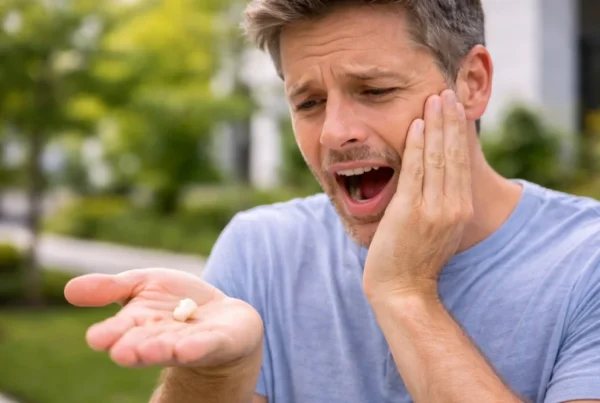

Dental emergencies do not always announce themselves clearly and the gap between waiting too long and acting too soon can mean the difference between a simple fix and a complex procedure. Grand Prairie Family Dental, located in Grand Prairie TX, sees patients every week who are unsure whether their pain or damage needs same-day care under Dr. Behrooz Khademazad, DDS, who has practiced at this location since August 28, 1988 and has guided families through urgent dental decisions for over 35 years.
If you are not sure whether what you are experiencing counts as a dental emergency in Grand Prairie TX, this article gives you a clear framework for deciding before pain gets worse. Patients from Westchester and Dalworth Park who call Grand Prairie Family Dental with urgent concerns get a straight answer over the phone in minutes. Most say the call alone gave them exactly the confidence they needed to act.
When Tooth Pain Crosses Into Emergency Territory
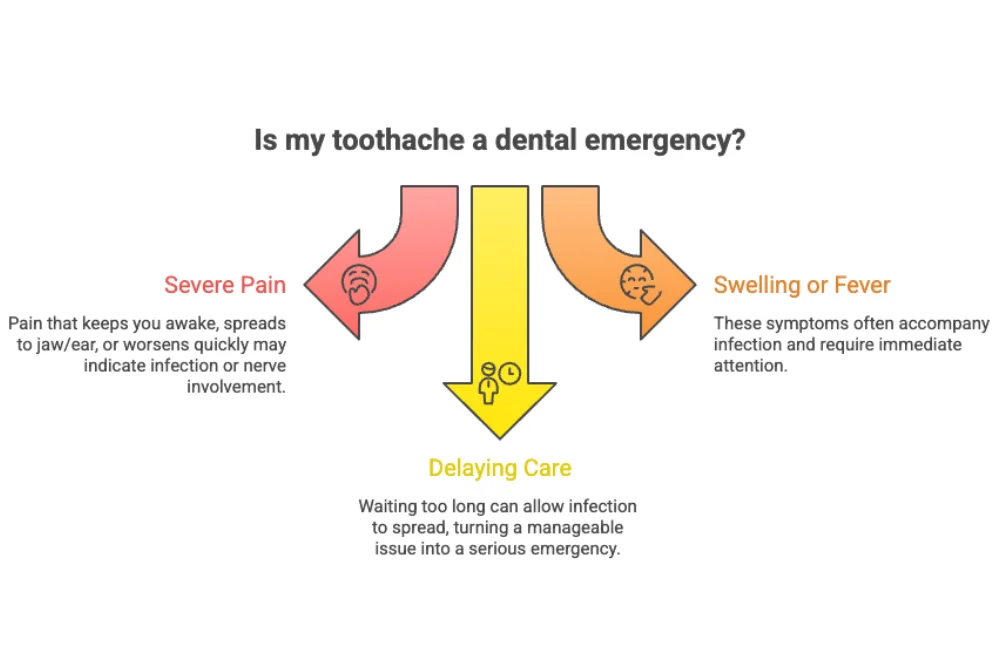
Not every toothache qualifies as a dental emergency but certain patterns of pain signal that same-day care is the right call. Pain that wakes you up at night, spreads to the jaw or ear, or intensifies rapidly over a few hours is the body signaling that something deeper is happening. The American Dental Association identifies these patterns as consistent with nerve involvement or active infection, both of which worsen without treatment.
Swelling alongside tooth pain raises the urgency significantly. An infection that causes visible facial swelling is no longer just a tooth problem. It is a systemic health concern that needs to be addressed the same day it appears.
Signs of Infection You Should Never Ignore
A dental infection can escalate from localized discomfort to a serious health situation faster than most patients expect. Swelling around the jaw or cheek, pus or a foul taste in the mouth, fever, or difficulty opening the mouth fully are all clinical signs of an abscess that has progressed beyond the early stage. These symptoms require same-day contact with a dental office, not a wait-and-see approach.
Patients from Sheffield Village and Forum Estates who come in after waiting through infection symptoms consistently require more involved treatment than those who call at the first sign of swelling. Dr. Khademazad evaluates every infection case thoroughly before recommending treatment and explains what is happening in plain language before anything is scheduled.
Common Dental Emergencies We Treat
Most patients are surprised to learn that some of the situations they hesitated to call about genuinely required same-day care. Dr. Khademazad triages urgent situations over the phone and gets patients in as quickly as possible when the clinical picture warrants it. Here are the most common dental emergencies seen at Grand Prairie Family Dental each week:
- Severe toothache with swelling, fever, or pain that spreads to the jaw or ear
- A knocked-out or loosened adult tooth that needs reimplantation within 30 to 60 minutes
- A broken tooth with sharp edges, exposed inner layers, or significant pain when biting
- A dental abscess with visible swelling, pus, or a bad taste that does not resolve
- Uncontrolled bleeding from the mouth that does not stop with gentle pressure
- Lost restorations combined with sharp pain or signs of new infection
Patients from Nottingham Estates and Lake Parks who call with any of these symptoms are triaged immediately and scheduled the same day whenever possible. Getting in quickly for these situations prevents a manageable problem from becoming one that requires far more involved treatment.
What Can Usually Wait Until a Regular Appointment
Not every dental concern requires dropping everything to call the office. Some situations feel alarming but do not carry the same clinical urgency as the emergencies listed above. Mild sensitivity to hot or cold without persistent pain, a small chip that has no sharp edge and causes no discomfort, a lost filling without pain or sensitivity, and minor cosmetic concerns can all typically wait for a scheduled visit within a few days.
This does not mean these issues are unimportant. An unprotected tooth can worsen quickly and a small chip can become a crack under normal chewing forces. Scheduling soon after noticing these issues is the right call even when they do not require same-day attention.
Dental Emergency vs. Non-Emergency
Knowing which category your situation falls into before you call saves time and reduces anxiety. Here is a straightforward comparison of the most common dental situations and how to classify them.
| Situation | Classification | Action |
|---|---|---|
| Severe pain with swelling or fever | Dental emergency | Call same day |
| Knocked-out adult tooth | Dental emergency | Call immediately |
| Signs of infection or abscess | Dental emergency | Call same day |
| Uncontrolled bleeding | Dental emergency | Call immediately |
| Mild sensitivity without pain | Can usually wait | Schedule within a few days |
| Small chip without discomfort | Can usually wait | Schedule within a few days |
| Lost filling without pain | Can usually wait | Schedule within a few days |
| Cosmetic concern | Non-urgent | Schedule at convenience |
If you are unsure where your situation fits, calling Grand Prairie Family Dental directly is always the right move. The team will triage your symptoms over the phone and tell you exactly how quickly you need to be seen.
What to Do Before You Reach the Dentist
Taking the right steps in the minutes after a dental emergency can protect the tooth and reduce pain while you wait for care. Acting carefully reduces the risk of further damage and gives Dr. Khademazad the best possible starting point for treatment. Here is what to do before your appointment:
- If a tooth is knocked out, rinse it gently with clean water, keep it moist in milk or saliva, and call immediately
- For swelling or pain, apply a cold compress to the outside of the cheek in short intervals
- Avoid placing aspirin or other medications directly on the gum or tooth surface as this causes tissue irritation
- If a filling or crown has come out, save it, keep it clean, and avoid chewing on that side
- For uncontrolled bleeding, apply gentle pressure with clean gauze and call immediately
- Do not eat or drink anything that worsens the pain while you wait to be seen
These steps are not a substitute for professional treatment but they make a real difference in how the tooth and surrounding tissue respond between the emergency and the appointment. Patients who take these protective measures consistently arrive in better shape and often require less intervention than those who wait without doing anything in the meantime. When in doubt about what to do, call Grand Prairie Family Dental and the team will walk you through it over the phone.
Why Acting Fast Matters for Dental Emergencies
Timing is one of the most significant factors in how a dental emergency resolves. A knocked-out tooth reimplanted within 30 minutes has a dramatically higher chance of survival than one that sat in a cup of water for three hours. An abscess treated on day one rarely requires the same level of intervention as one that was left for a week. Early care almost always leads to simpler, less expensive, and more predictable treatment.
Dr. Khademazad’s approach during dental emergencies is to evaluate the full clinical picture before recommending anything. Patients leave with a clear diagnosis, a treatment plan that makes sense, and no surprises about what comes next.
When You Are Not Sure, Call Grand Prairie Family Dental First.
Dr. Behrooz Khademazad has helped patients across Grand Prairie, Arlington, and the DFW area navigate dental emergencies with calm, honest guidance since 1988. With a B.S. in Biochemistry, a DDS, and 35+ years of emergency dental care, he brings the clinical depth to evaluate urgent situations quickly and correctly. Families from Westchester and Dalworth Park trust Grand Prairie Family Dental because Dr. Khademazad tells them the truth about what is happening before recommending anything.
If you are facing a dental emergency or are not sure whether your situation qualifies as one, call Grand Prairie Family Dental at (972) 988-0900. The team will triage your symptoms over the phone, tell you exactly how quickly you need to be seen, and get you scheduled before the situation gets worse.
Grand Prairie Family Dental
2475 W Pioneer Pkwy Grand Prairie, Texas, 75051
Google Reviews: See More Reviews From Grand Prairie Family Dental
View information about local places in our community.
Driving Directions to Our Practice
Frequently Asked Questions
What Qualifies as a Dental Emergency?
A dental emergency is any situation involving severe pain, signs of infection such as swelling or fever, dental trauma including knocked-out or broken teeth, or uncontrolled bleeding that requires same-day professional care to prevent the situation from worsening. The key clinical question is whether waiting until the next available scheduled appointment would allow the condition to progress or cause lasting harm. When in doubt, calling a dentist for phone triage is always the safer choice.
Is a Cracked Tooth Always a Dental Emergency?
Not always. A hairline crack without pain or sensitivity can often wait a few days for a scheduled evaluation. A crack that causes pain when biting, sensitivity to temperature, or has visible sharp edges that irritate the tongue or cheek requires same-day contact. The deeper a crack extends into the tooth the higher the risk of nerve involvement and infection, which is why prompt evaluation matters even when pain is intermittent or mild.
Can a Dental Infection Be Dangerous?
Yes. A dental infection that is left untreated can spread beyond the tooth and into the surrounding bone, jaw, and soft tissue. In severe cases infections reach the throat or neck and require hospitalization. Swelling, fever, difficulty swallowing, or pain that spreads rapidly are signs that an infection has progressed beyond the early stage. These symptoms require same-day dental care and in some cases a hospital emergency room if breathing or swallowing is affected.
Should I Go to the ER or Call a Dentist for a Dental Emergency?
For most dental emergencies including severe toothaches, broken teeth, lost restorations, and abscesses, calling an emergency dentist directly produces better outcomes than going to the hospital ER. Emergency rooms cannot repair or restore teeth and most patients with dental pain are discharged with temporary medication and a referral to a dentist. Go to the ER only if facial swelling is affecting your ability to breathe or swallow, if there is serious facial trauma, or if bleeding is uncontrollable.