Find Out What’s Behind Your Grinding and How to Ease It
Teeth grinding in Grand Prairie, TX, is easier to stop once you know what’s driving it in your own life. You’ll learn the common causes, what local health data shows, and which daily habits help most. Dr. Behrooz Khademazad, DDS, has served Grand Prairie since 1987. He holds Texas License 15515 and checks every grinding patient’s bite, jaw and airway at Grand Prairie Family Dental.
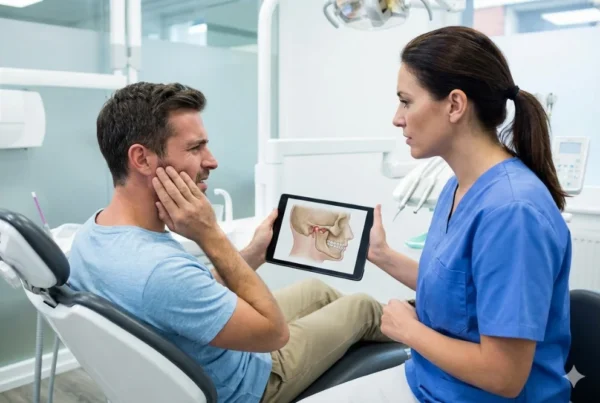
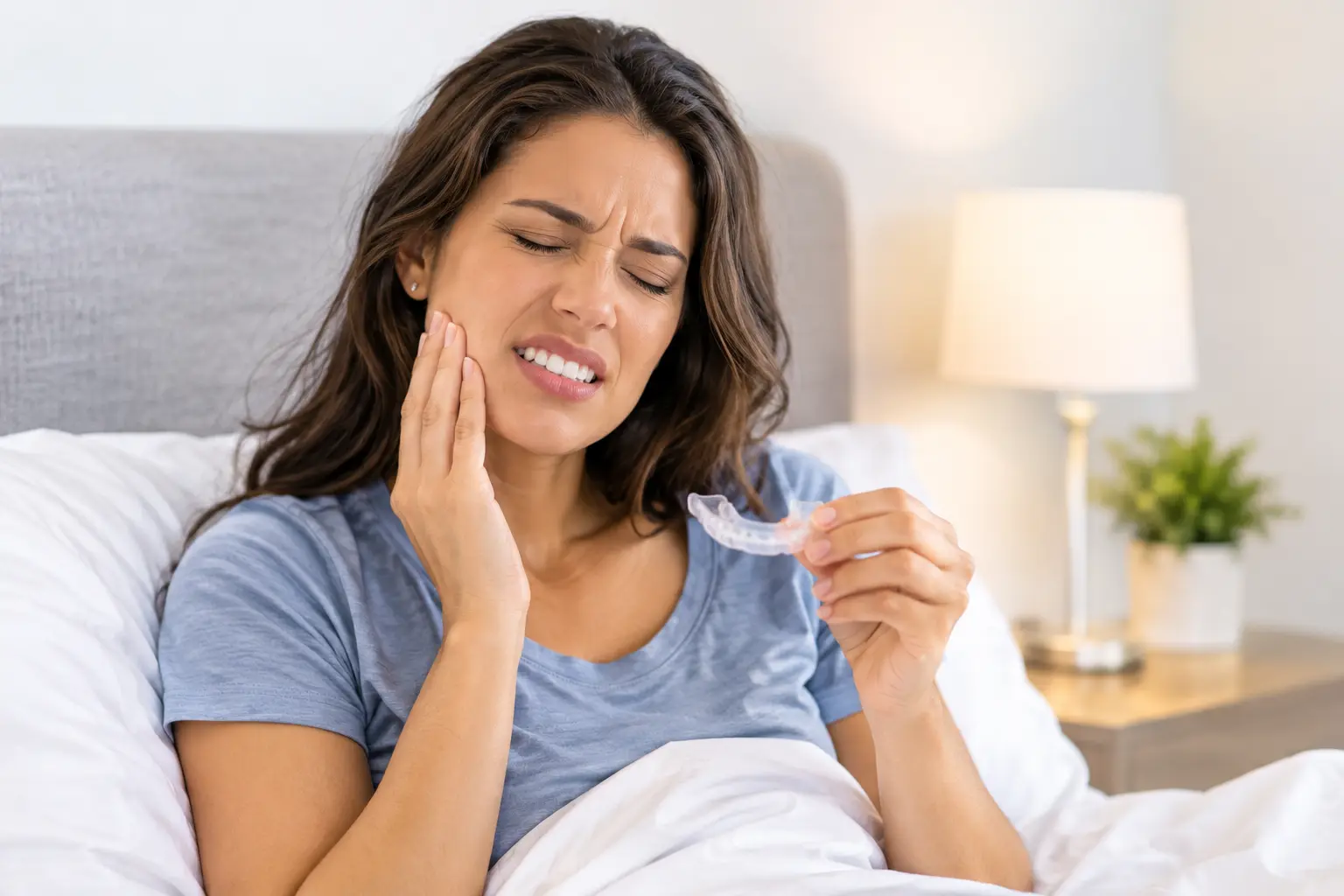
You might worry the grinding is quietly wearing your teeth down, or you’re tired of waking up with a sore jaw. Both worries are fair, since years of grinding can lead to broken fillings, cracked teeth and daily headaches. Most patients start with simple habit changes and a custom guard rather than injections. If jaw pain is part of the picture, our page on TMJ and headache care in Grand Prairie explains the full exam.
What Causes Teeth Grinding in Adults?
Stress, poor sleep, alcohol, caffeine and smoking are the most common drivers of adult teeth grinding. A survey of 13,057 people in Europe, published in the journal Chest, linked each of them to higher odds of sleep grinding. Heavy drinkers had 1.8 times the odds, and caffeine drinkers had 1.4 times the odds.
Source: Ohayon, Li and Guilleminault, Chest, January 2001.
Smokers, people with a highly stressful life and people with anxiety each had about 1.3 times the odds. Sleep apnea carried the same 1.8 times odds as heavy drinking. These numbers don’t mean one cup of coffee causes grinding, but they show which habits are worth looking at first.
Stress tends to show up as daytime clenching, while sleep problems tend to show up as nighttime grinding. Plenty of people do both and never notice either one. Knowing your grinding pattern early protects your natural teeth and any future dental work.
Can Your Medications Make You Grind?
Yes, some medicines can trigger grinding, and certain antidepressants are the ones most often reported. A 2018 review of published cases in Neurology: Clinical Practice found fluoxetine, sertraline and venlafaxine named most often. It has appeared in both children and adults, most often in women. Grinding may begin weeks or months after starting a medicine, which makes the link easy to miss.
Source: Garrett and Hawley, Neurology: Clinical Practice, April 2018.
Never stop or change a prescription on your own because of grinding. Tell your prescriber when the grinding started and what changed around then, since dose changes or added medicines can sometimes help. Let your dentist know too, so a guard can protect your teeth in the meantime.
What Can Years of Grinding Cost You?
Years of heavy grinding can break fillings and crowns, open deep cracks, and in severe cases change how your bite fits together. Each of these adds visits and costs you’d rather avoid. Dr. Khademazad refers some cases of severe grinding with major tooth height loss to an orthodontist, because those cases are harder to manage.
- Replaced fillings and crowns
- Root canals after deep cracks
- Lost tooth height from wear
- Daily jaw pain and headaches
Grinding damage tends to build slowly over years, so catching it early usually keeps the fix simple. A guard usually costs less than replacing crowns worn down by grinding. Dr. Khademazad notes a weakened tooth can sometimes wait for a crown if you wear a guard to take the load off.

How Common Are Grinding Risk Factors in Grand Prairie?
In Grand Prairie, 38.6 percent of adults sleep fewer than 7 hours a night, the highest of the four CDC measures below. Each measure lines up with a risk factor from the Chest study above. The table pairs each local rate with its related finding.
| Risk factor | Grand Prairie adults | Related finding in the Chest study |
| Sleep under 7 hours | 38.6 percent | Daytime sleepiness, 1.3 times the odds |
| Frequent mental distress | 17.6 percent | Anxiety or high stress, 1.3 times the odds |
| Binge drinking | 16.4 percent | Heavy drinking, 1.8 times the odds |
| Cigarette smoking | 12.9 percent | Smoking, 1.3 times the odds |
Source: CDC PLACES city estimates for Grand Prairie, 2022 and 2023 data. Odds from Ohayon and colleagues, Chest, 2001.
A risk factor raises the odds of grinding without guaranteeing it, so treat the table as a checklist rather than a diagnosis. If you see yourself in two or more rows, mention it at your next visit. Changes to sleep, drinking or smoking can lower your odds and ease the strain on your teeth.
How Can You Stop Grinding Your Teeth?
You can often reduce grinding with 5 everyday habits, and a custom guard protects your teeth while those habits take hold. None of these habits cost much, and most take only minutes. Results vary, so give each change a few weeks before you judge it.
- Keep lips together and teeth apart
- Skip caffeine after lunch
- Limit alcohol in the evening
- Ask your doctor about quitting smoking
- Wind down with a calm bedtime routine
The lips-together, teeth-apart cue is easiest to build if you check your jaw at red lights or during screen time. Nighttime grinding is harder to catch, since it happens while you sleep. If the habits and guard don’t settle things in a few months, our article on night guard vs TMJ splint explains the next appliance.
When Should You See a Dentist About Teeth Grinding?
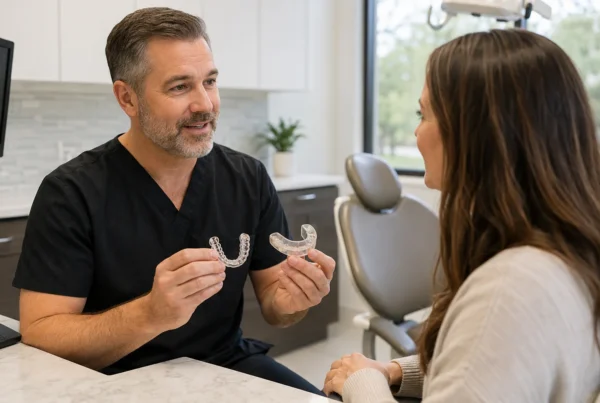
See a dentist when grinding leaves you with jaw pain, headaches, sensitive teeth or a partner who hears it at night. Most cases start with a bite exam and a custom guard. Dr. Khademazad can also smooth high spots in your bite, which lightens the force on a weakened tooth and removes spots where teeth catch.
If you clench hard or have joint symptoms, a standard night guard may not be the right appliance. In his experience it can even make clenching symptoms worse. In those cases he may recommend a TMJ splint, which is built to relax the chewing muscles rather than only cover the teeth. He’ll explain the difference and the cost before anything is made for you.
Grinding with loud snoring or daytime tiredness deserves a closer look, since sleep apnea carried 1.8 times the odds in the Chest study. Sleep apnea is a medical diagnosis, so a physician makes the final call. Dr. Khademazad screens for the dental signs, then works with your physician on next steps.
Stop the Wear Before It Becomes a Bigger Repair
Dr. Behrooz Khademazad, DDS, has served Grand Prairie since 1987. About 35 percent of his new patients come after anxiety or a bad experience elsewhere, so every step gets explained before it happens. Your first visit covers your teeth, bite, jaw and airway, and you’ll leave with a clear plan and its cost. Patients from Lake Parks and Westchester get the same calm plan as those driving in along South Carrier Parkway past the Ruthe Jackson Center. The goal is a relaxed jaw each morning and teeth built to last.
Call Grand Prairie Family Dental at 972-988-0900 to schedule a grinding evaluation. You can also book your visit online at gentlegrandprairiedentist.com, and the team will check your benefits first. Bring a list of your medicines and any notes about sleep or headaches, so the exam starts with the full story.
Questions Patients Ask About Teeth Grinding
Is teeth grinding a serious problem?
For most people, occasional grinding isn’t serious, although frequent grinding over many years can cause real damage. The Cleveland Clinic overview of teeth grinding lists tooth erosion, loose or cracked teeth and TMJ disorder among the possible complications. How often you grind matters more than whether you grind, so an exam is the best way to judge your risk.
Is teeth grinding ADHD?
Teeth grinding isn’t a sign of ADHD by itself, but the two can show up together in some people. The Mayo Clinic page on bruxism causes lists ADHD among conditions linked with grinding. It also notes some ADHD medicines can trigger grinding as an uncommon side effect, so mention any new prescription at your visit.
Is magnesium good for bruxism?
Research on magnesium for grinding is limited, so it shouldn’t replace a guard or an exam. If you try a supplement, the NIH fact sheet on magnesium sets the adult upper limit from supplements at 350 milligrams a day. Taking more can cause diarrhea, nausea and cramping, so check with your doctor before you start.
What does teeth grinding look like?
Teeth grinding often looks like flat, worn spots along the edges of the teeth, along with chips or cracks. The American Dental Association page on teeth grinding adds jaw tenderness, dull headaches and even sore or plugged ears to the list. Since most people don’t notice their own grinding, a dentist or hygienist often spots it first during a routine cleaning.