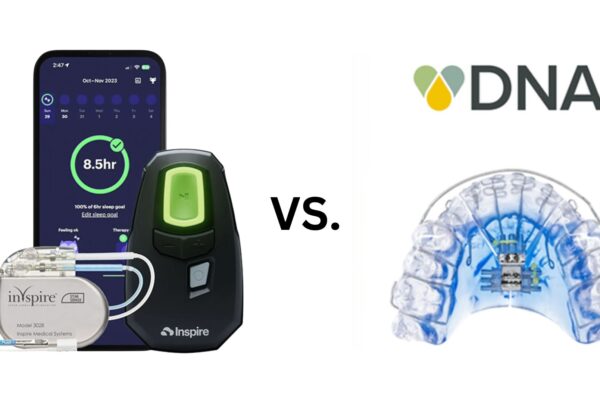

Know Which Option Fits Your Teeth Before You Commit
Choosing between adult braces vs Invisalign gets easier once you know which cases each one handles well. You’ll learn how they compare for gum health, daily life and complex bites. Dr. Behrooz Khademazad, DDS, has served Grand Prairie since 1987. He holds Texas License 15515, has provided braces for over 30 years and offers both options, so his advice isn’t tied to selling one.
You might worry braces will look out of place at work, or Invisalign won’t fully fix your bite. Both concerns are fair, since the wrong choice can add months to treatment. Adults also bring gum health, crowns and busy schedules into the decision, which teens rarely have to think about. Our pages on braces in Grand Prairie and Invisalign in Grand Prairie walk through each process.
Is Invisalign or Braces Better for Adults?
Invisalign works well for mild to moderate crowding and spacing, while braces handle complex bites more reliably. A 2022 overview of systematic reviews in Clinical Oral Investigations found aligners may finish sooner in mild to moderate cases. The same overview found teeth relapsed more after aligners, while gum health was better during aligner treatment. Neither one is better for everyone, so the right answer depends on your bite.
Source: Yassir and colleagues, Clinical Oral Investigations, March 2022.
Braces stay on your teeth all day, so they keep working even on the days you forget about them. Aligners move teeth only while they’re in your mouth, so your habits shape the result. Dr. Khademazad looks at how far each tooth needs to move and how your upper and lower teeth meet before he suggests either one. He’ll tell you plainly if your case is a better fit for braces.
Why Do Gums Matter More for Adults Choosing Braces or Invisalign?
Gums matter more for adults because 42.2 percent of Americans 30 and older have some level of gum disease. Moving teeth through inflamed gums and weakened bone can make the problem worse. This national figure comes from a CDC survey of 10,683 adults, published in the Journal of the American Dental Association.
Source: Eke and colleagues, Journal of the American Dental Association, July 2018.
Dr. Khademazad treats the gums first, since they’re the foundation for the teeth and any future dental work. He sequences gum care ahead of any orthodontic plan, braces or aligners. Aligners may also make gum care easier during treatment, because you take them out to brush and floss normally. Braces need extra cleaning around each bracket, which can be harder for adults with existing gum pockets.
In Grand Prairie, only 52.7 percent of adults visited a dentist in the past year, according to CDC estimates for 2022. Many adults may come in for straighter teeth without a recent gum exam. A cleaning and periodontal check before treatment protects your results and keeps surprises out of the plan.
Source: CDC PLACES city estimates for Grand Prairie, 2022.
What Should You Ask Before Choosing Braces or Invisalign?
Asking 5 questions at your consult can tell you which option fits your teeth and your routine. Write each answer down, since details blur once you’re back at work. Any honest treatment plan should answer all five in plain words and include the full cost up front.
- How far does each tooth need to move?
- Will my gums need treatment first?
- Can I wear trays about 22 hours a day?
- How will my crowns or fillings affect the plan?
- What retainer will I need afterward?
Your answer to the wear-time question matters most, because aligners left in a drawer don’t move teeth. Be honest with yourself about coffee breaks, snacking and work travel. If those habits make all-day wear unlikely, braces may be the more dependable choice for you.

How Do Braces and Invisalign Compare for Busy Adults?
For busy adults, the biggest differences show up in 4 places: looks, meals, cleaning and the cases each one treats best. The table below lines up these 4 points side by side. Use it as a starting point for your consult rather than a final answer.
| Point | Braces | Invisalign |
| How it looks | Brackets show, ceramic ones blend in | Nearly invisible trays |
| Eating and drinking | Eat with them on, skip sticky foods | Remove trays for food and drinks |
| Cleaning | Extra flossing around brackets | Brush and floss normally |
| Best fit | Complex bites and large moves | Mild to moderate crowding and gaps |
Tooth-colored ceramic brackets narrow the looks gap for adults who need braces but want them to blend in at work. Our guide to braces for adults covers metal, ceramic and aligner options in more depth, including timelines. Results vary, so your own exam decides which row matters most.
When Does Dr. Khademazad Refer Adults to an Orthodontist?
Dr. Khademazad refers adult cases to an orthodontist in 5 situations, because those cases are more complex to manage. He sees this as part of his professional duty, not a limitation. Knowing them ahead of time explains why a referral might come up at your exam.
- Jaw growth out of balance
- Severe clenching or grinding
- Major tooth height lost to wear
- Habitual mouth breathing
- A tongue-thrust habit
None of these rule out straight teeth, but they often need more than aligners or standard braces alone. A referral keeps the plan efficient and consistent for you. Dr. Khademazad still handles your cleanings, gum care and any restorative work along the way.
How Does Adult Life Change the Choice Between Braces and Invisalign?
Adult life changes the choice because work, meals and travel decide whether you’ll wear aligners 22 hours a day. Braces remove the wear-time question, since they stay on all day. Aligners suit adults who present, meet clients or speak on camera and want treatment to stay low key. If you travel often, pack a spare case and toothbrush so meals on the road don’t cost you wear time.
Relapse risk also shapes the choice, since the 2022 overview found more relapse after aligner treatment. Whichever option you pick, your teeth will need help staying put afterward. Ask how the retainer step works before treatment starts, so you know the full path from day one. Results vary, and a plan built around your real routine tends to hold up best.
Get a Straighter Smile Without Guessing Which Option Fits
Dr. Behrooz Khademazad, DDS, has served Grand Prairie since 1987 and has provided braces for over 30 years. About 35 percent of his new patients come after anxiety or a bad experience elsewhere, so every step gets explained before it happens. Your consult covers your bite, gums and goals, and you’ll leave knowing which option fits and its cost. Patients from Brookfield North and Lake Parks get the same exam as those driving in along Interstate 20 past the Grand Prairie Premium Outlets. The goal is a smile you’re glad to show at work, with teeth and gums healthy enough to keep it.
Call Grand Prairie Family Dental at 972-988-0900 to book an orthodontic consult. You can also request an appointment at gentlegrandprairiedentist.com, and the team will check your benefits first. Bring any old X-rays or retainers, plus a list of questions from this guide, so the consult starts with your real goals.
Questions Adults Ask About Braces and Invisalign
Will my teeth move 20 years after braces?
Yes, teeth can shift years after braces, because teeth keep moving slowly throughout life. A Harvard Health article on retainers recommends wearing them 22 hours a day for the first year, then every night after. Most people keep wearing a retainer at night for life to protect their results.
Are Invisalign braces for adults?
Yes, adults can use Invisalign, and many choose it for mild to moderate crowding or gaps. The MedlinePlus guide to misaligned teeth notes adult orthodontic treatment is often successful but may take longer than in children. Bone and gum health matter more than age, so an exam decides if aligners fit.
Is it normal for adult braces to hurt?
Mild soreness after braces go on or get adjusted is normal. The American Dental Association page on braces notes today’s braces use gentle, steady force and are more comfortable than ever before. Sharp pain, a broken wire or swelling isn’t normal, so call your dentist if any of those show up.
What is Invisalign in dentistry?
Invisalign is a brand of clear aligners, which are custom plastic trays used to straighten crowded or crooked teeth. The Cleveland Clinic guide to clear aligners explains you get a new set about every two weeks. Each set nudges your teeth a little further toward the planned final position.