
Wondering if dental implants really work, or if they might fail after you get them? The truth is that dental implants have one of the highest success rates of any dental procedure, but understanding what can go wrong helps you make the best choices for your smile. Dr. Behrooz Khademazad at Grand Prairie Family Dentistry, has placed thousands of successful implants over his 34 years in Grand Prairie, and he knows exactly what factors make the difference between implants that last a lifetime and those that might have problems.
Why Most Dental Implants Succeed
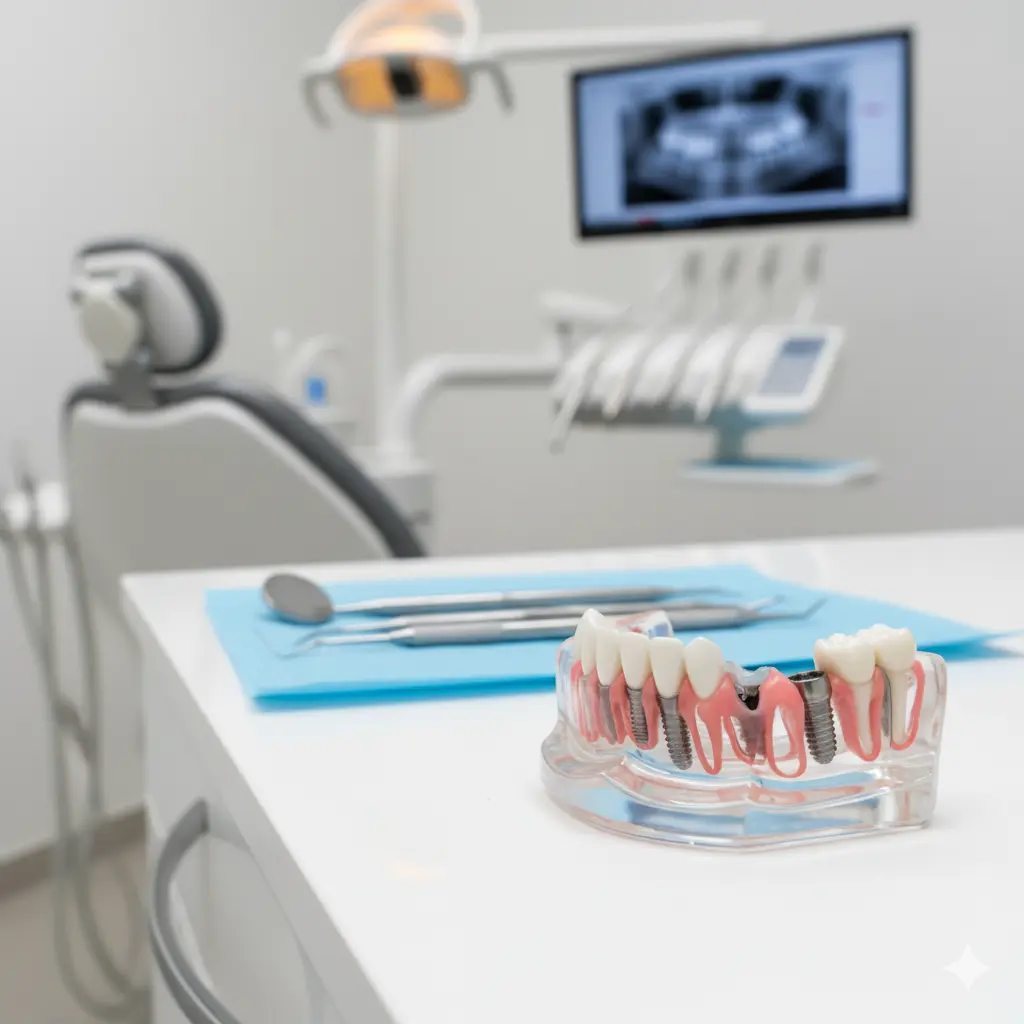
Dental implants work so well because they’re designed to become part of your jawbone, just like your natural tooth roots. When everything goes right, your bone grows around the implant and holds it securely in place. Dr. Khademazad has seen this amazing process happen thousands of times in his Grand Prairie practice, and it never stops being remarkable how well the human body accepts these titanium replacements.
The success rate for dental implants is actually incredibly high, with studies showing that over 95% of implants are still working perfectly after 10 years. That’s better than almost any other medical procedure you can think of. The key to this success is understanding what makes implants work well and making sure you’re a good candidate before starting treatment.
Your overall health plays a huge role in implant success. People who are generally healthy, don’t smoke, and take good care of their teeth have the best outcomes. Dr. Khademazad always takes time to evaluate each patient’s health before recommending implants, because he wants to make sure every patient has the best possible chance for success.
The American Dental Association recognizes dental implants as the gold standard for replacing missing teeth precisely because they work so well for so long. When you compare implants to other options like dentures or bridges, implants consistently outperform other treatments in terms of both function and longevity.
What Can Make Implants Fail
Even though implants are very successful, there are some things that can cause problems. Understanding these risk factors helps you avoid them and gives your implants the best chance to succeed. Dr. Khademazad has learned over his decades of experience that most implant problems are preventable when patients understand what to avoid.
Smoking is probably the biggest enemy of successful implants. When you smoke, it reduces blood flow to your gums and jawbone, which makes it much harder for your body to heal properly around the implant. Smokers have failure rates that are two to three times higher than non-smokers. The good news is that quitting smoking, even just before implant surgery, can dramatically improve your chances of success.
Poor oral hygiene after getting implants can also cause serious problems. Just like your natural teeth, implants need to be kept clean to prevent infection and gum disease. The bacteria that cause gum disease can attack the tissues around your implant and eventually cause it to fail. This is completely preventable with good brushing, flossing, and regular dental visits.
Certain medical conditions can also affect implant success. Diabetes, osteoporosis, and some autoimmune diseases can slow down healing and make it harder for the implant to bond properly with your jawbone. Dr. Khademazad carefully evaluates these conditions and works with patients to manage them before and after implant placement.
Choosing the Right Implant for Success
Not all implants are created equal, and choosing the right size and type makes a big difference in long-term success. Dr. Khademazad uses his extensive experience to select the best implant for each patient’s specific situation. The Dallas-Fort Worth area has access to the most advanced implant technologies, and Dr. Khademazad stays current with all the latest developments.
Implant size matters more than most people realize. Implants that are too small for the job they need to do are much more likely to fail over time. Dr. Khademazad always chooses implants that are large enough to handle the forces of chewing and biting, which helps ensure they’ll last for decades.
The quality of the implant material is also crucial. Modern implants are made from titanium or titanium alloys that have been specially treated to encourage bone growth. Dr. Khademazad only uses implants from reputable manufacturers that have proven track records of success and safety.
Here are the key factors that determine implant success:
- Adequate bone density and volume at the implant site
- Proper implant size selection based on the forces it will need to handle
- High-quality titanium materials with proven biocompatibility
- Advanced surface treatments that promote bone integration
- Skilled surgical placement by an experienced dentist
The surface treatment of modern implants is truly amazing. These special coatings help your bone cells attach to the implant faster and more securely. Dr. Khademazad chooses implants with the most advanced surface treatments because they give patients the best chance for quick healing and long-term success.

The Importance of Your Jawbone
Your jawbone is like the foundation of a house – it needs to be strong enough to support what’s built on top of it. Dr. Khademazad carefully evaluates every patient’s jawbone before recommending implants, because having adequate bone is essential for success. Fortunately, even patients who don’t initially have enough bone can often be helped with modern bone grafting techniques.
Bone density varies from person to person and can change over time. When you lose a tooth, the jawbone in that area starts to shrink because it’s no longer being stimulated by chewing forces. This is why Dr. Khademazad often recommends replacing missing teeth with implants as soon as possible – it helps preserve your jawbone for the future.
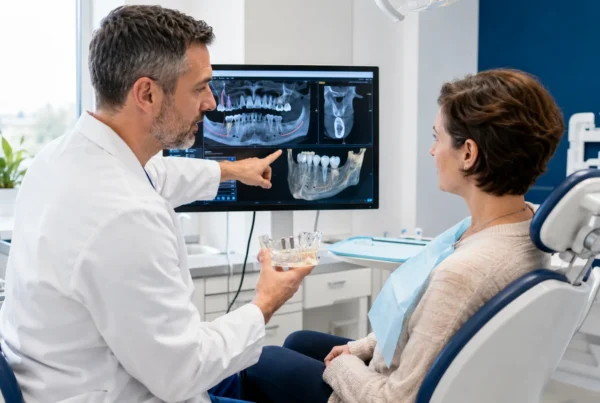
Advanced imaging technology helps Dr. Khademazad see exactly what’s happening inside your jawbone before surgery. This three-dimensional view allows him to plan the implant placement precisely and identify any potential problems before they become issues. This careful planning is one reason why implant success rates are so high in experienced hands.
| Bone Quality Factor | Impact on Success | Solution if Inadequate |
| Bone Density | Higher density = better success | Bone grafting procedures |
| Bone Volume | More volume = stronger support | Ridge augmentation |
| Bone Health | Healthy bone heals faster | Medical management |
| Location | Different areas have different success rates | Strategic placement planning |
When patients don’t have enough bone for implants, bone grafting can often solve the problem. This involves adding bone material to the area where the implant will be placed, creating a stronger foundation. Dr. Khademazad has extensive experience with bone grafting and has helped many patients who were initially told they couldn’t have implants.
How Dr. Khademazad Ensures Success
With 34 years of experience placing dental implants in Grand Prairie, Dr. Khademazad has developed a systematic approach that maximizes the chances of success for every patient. This comprehensive method starts long before the actual implant surgery and continues for months afterward to ensure optimal healing and integration.
The evaluation process begins with a thorough examination of your overall health, oral health, and bone structure. Dr. Khademazad looks for any factors that might affect implant success and addresses them before proceeding with treatment. This might involve treating gum disease, managing medical conditions, or helping patients quit smoking.
Advanced technology plays a crucial role in Dr. Khademazad’s approach to implant dentistry. Digital imaging, computer-guided surgery planning, and precision surgical techniques all contribute to better outcomes. These tools allow for more accurate implant placement, which reduces complications and improves long-term success rates.
Post-operative care is just as important as the surgery itself. Dr. Khademazad provides detailed instructions for care after implant placement and schedules regular follow-up visits to monitor healing. This ongoing support helps catch any potential problems early when they’re easiest to treat.
Taking Care of Your Implants
Once your implants are successfully placed and healed, taking proper care of them is essential for long-term success. The good news is that caring for implants is very similar to caring for your natural teeth, but with a few special considerations. Dr. Khademazad teaches every patient exactly how to keep their implants healthy for life.
Daily cleaning is crucial for implant health. You’ll need to brush and floss around your implants just like you do with natural teeth, but you might need special tools to clean effectively around the implant crown. Dr. Khademazad’s team provides detailed instructions and demonstrates the best techniques for each patient’s specific situation.
Regular dental visits become even more important when you have implants. During these visits, Dr. Khademazad can check that your implants are staying healthy and catch any problems before they become serious. Professional cleaning around implants requires special techniques and tools that only dental professionals should use.
Here are the essential care practices for long-lasting implants:
- Brush twice daily with a soft-bristled toothbrush
- Floss daily using techniques safe for implants
- Use an antimicrobial mouthwash to reduce bacteria
- Avoid hard foods that could damage the implant crown
- Schedule regular professional cleanings and checkups
- Don’t use your teeth as tools to open packages or crack nuts
Avoiding certain habits protects your implant investment. Things like chewing ice, using your teeth to open packages, or grinding your teeth at night can put excessive stress on implants and potentially cause problems. Dr. Khademazad helps patients identify and modify any habits that could threaten their implant success.
Your Best Chance for Success
Getting dental implants from an experienced dentist like Dr. Khademazad gives you the best possible chance for success. His 34 years of experience in Grand Prairie, combined with ongoing education and the latest technology, means that patients receive care that meets the highest standards. The key to implant success is choosing the right dentist, being a good candidate, and committing to proper care afterward.
Understanding your role in implant success is crucial. While Dr. Khademazad and his team will do everything possible to ensure your implants succeed, your daily care and lifestyle choices play a huge role in the final outcome. Patients who follow care instructions, maintain good oral hygiene, and keep regular dental appointments have the best long-term results.
The investment you make in dental implants pays dividends for years to come when they’re placed and cared for properly. Dr. Khademazad has seen patients enjoy their implants for decades, eating all their favorite foods and smiling with complete confidence. With proper care and regular professional maintenance, your implants can truly last a lifetime.
Schedule your consultation today with Dr. Behrooz Khademazad and discover what personalized dental care in Grand Prairie, TX truly feels like.
Schedule Your Consultation Today!
2475 W Pioneer Pkwy Grand Prairie, Texas, 75051
Google Reviews: See More Reviews From Grand Prairie Family Dental
View information about local places in our community.
Driving Directions to Our Practice
Frequently Asked Questions
Why do some dental implants fail?
Dental implants can fail due to several preventable factors including smoking, poor oral hygiene, inadequate bone density, or underlying medical conditions like uncontrolled diabetes. The good news is that most of these risk factors can be managed or eliminated before implant placement. Dr. Khademazad carefully evaluates each patient to identify and address potential problems before they affect implant success.
How can I prevent dental implant failure?
Preventing implant failure starts with choosing an experienced dentist and being honest about your health and habits. After placement, maintain excellent oral hygiene, avoid smoking, follow all post-operative instructions, and keep regular dental appointments. Managing medical conditions like diabetes and avoiding habits that stress your implants also help ensure long-term success.
Is getting a dental implant worth the risk of failure?
Absolutely. With success rates over 95%, dental implants are one of the most reliable dental treatments available. The benefits of having a permanent, natural-feeling tooth replacement far outweigh the small risk of complications. When placed by an experienced dentist like Dr. Khademazad and properly cared for, implants typically last decades and often a lifetime.
Related Services