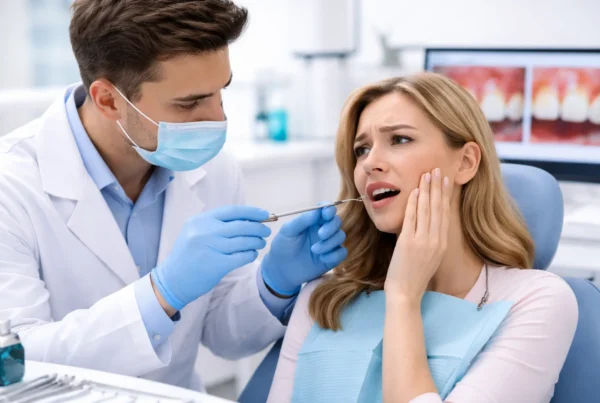


Gum recession happens slowly, but its effects can be lasting if left untreated. When your gums pull away from the teeth, the roots become exposed, leading to sensitivity, a longer tooth appearance, and even tooth loss in advanced cases. This article explains why gum recession occurs, the warning signs to watch for, and the modern treatments that can help protect and restore your smile.
Dr. Behrooz Khademazad of Grand Prairie Family Dental has over 34 years of general dentistry experience helping patients treat gum recession and prevent future damage. Known for his precise and compassionate care, Dr. Khademazad serves patients from neighborhoods like Westchester, Dalworth Park, and Forum Estates. His approach focuses on early diagnosis and customized solutions that restore both comfort and confidence.
What Is Gum Recession?
Gum recession occurs when the tissue surrounding the teeth wears away or pulls back, exposing more of the tooth or its root. This condition can develop slowly, often going unnoticed until sensitivity or visible changes appear. While common in adults, it is not a natural part of aging and should always be evaluated by a dentist.
The exposed tooth roots are more prone to decay, discomfort, and sensitivity to temperature. Over time, untreated gum recession can lead to structural damage and even tooth loss. Fortunately, early intervention can halt progression and, in many cases, reverse the effects.
Common Causes of Gum Recession
Several factors can contribute to gum recession, including:
- Aggressive brushing or hard-bristled toothbrushes
- Poor oral hygiene or untreated gum disease
- Tobacco use
- Genetic predisposition
- Teeth grinding (bruxism)
- Misaligned teeth or bite issues
Identifying the cause helps determine the most effective treatment plan. For example, if gum disease is to blame, Dr. Khademazad may recommend deep cleaning procedures such as scaling and root planing to remove bacteria and promote healing.
Early Signs You Shouldn’t Ignore
Early detection is the best defense against gum recession. Watch for these common warning signs:
- Teeth that look longer than before
- Sensitivity to hot, cold, or sweet foods
- Gumline notching or visible root exposure
- Persistent bad breath
- Loose or shifting teeth
Even minor gum changes deserve attention. Patients from Lake Parks and Cedar Ridge Estates often find that early treatment prevents discomfort and the need for more complex procedures later.

Treatment Options for Receding Gums
Modern dentistry offers several effective treatments for gum recession, depending on its severity. Common solutions include:
| Treatment | Description | Benefit |
| Scaling and Root Planing | Deep cleaning to remove bacteria and smooth roots | Reduces inflammation and promotes reattachment |
| Gum Grafting | Tissue from another area restores gum coverage | Protects roots and improves appearance |
| Pinhole Surgical Technique | Minimally invasive repositioning of gum tissue | Short recovery and natural-looking results |
| Composite Bonding | Covers exposed roots with tooth-colored resin | Reduces sensitivity and improves aesthetics |
Each method restores protection around your teeth while improving the look of your smile. Dr. Khademazad will evaluate your specific case and recommend the best combination of treatments for lasting results.
Preventing Gum Recession
Healthy habits make a big difference in keeping your gums strong and stable. To prevent gum recession:
- Brush gently with a soft-bristled toothbrush
- Floss daily to remove plaque buildup
- Avoid tobacco products
- Address teeth grinding with a custom nightguard
- Schedule professional cleanings twice a year
Regular dental visits also allow Dr. Khademazad to spot early warning signs before they progress. Many patients from Brookfield North and Mira Lagos report noticeable improvements in gum health after just a few months of consistent preventive care.
How Restoring Receding Gums Improves Your Smile
Treating gum recession doesn’t just protect your oral health—it also enhances the beauty of your smile. Receded gums can make teeth appear longer or uneven, while restoration brings balance and youthfulness back to your appearance.
Beyond aesthetics, gum restoration also improves comfort and function. Healthy gums protect the roots, reduce sensitivity, and create a stronger foundation for long-term oral wellness. With proper treatment and care, your gums can return to a natural, healthy look and feel.
Taking the Next Step
If your gums have started to recede or you’ve noticed increased tooth sensitivity, now is the right time to take action. Early treatment can restore your gumline, protect your teeth, and prevent more serious dental issues in the future. Healthy gums are essential for a confident, comfortable smile.
At Grand Prairie Family Dental, Dr. Behrooz Khademazad and his experienced team specialize in restoring gum health through advanced, patient-focused care. Call 972-988-0900 or visit Grand Prairie Family Dental to schedule your consultation and discover how modern treatments can renew your smile.
Schedule your consultation today with Dr. Behrooz Khademazad and discover what personalized dental care in Grand Prairie, TX truly feels like.
Schedule Your Consultation Today!
Grand Prairie Family Dental
2475 W Pioneer Pkwy Grand Prairie, Texas, 75051
Google Reviews: See More Reviews From Grand Prairie Family Dental
View information about local places in our community.
Driving Directions to Our Practice
Frequently Asked Questions
Can receding gums grow back naturally?
Mild gum recession can sometimes improve with professional cleanings and better oral hygiene, but moderate to severe cases require treatment such as grafting or the Pinhole Surgical Technique. (Source: American Dental Association, ada.org ; Cleveland Clinic, my.clevelandclinic.org )
Is gum grafting painful?
No. The procedure is performed under local anesthesia to ensure comfort, and most patients experience minimal discomfort during recovery. (Source: Mayo Clinic, mayoclinic.org ; WebMD, webmd.com )
How long does recovery take after gum grafting?
Most patients heal within one to two weeks, depending on the extent of treatment. Following post-care instructions helps ensure smooth recovery. (Source: ADA, ada.org ; Colgate Oral Care Center, colgate.com )