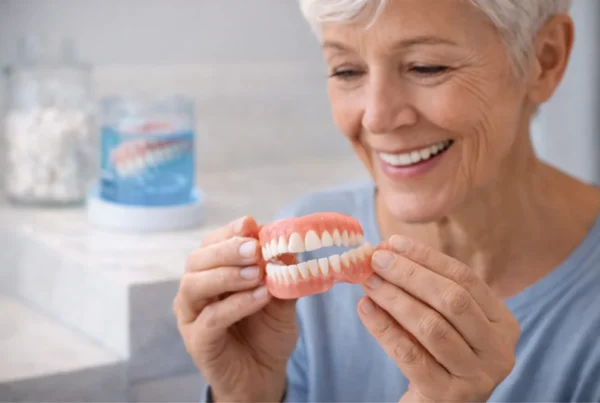

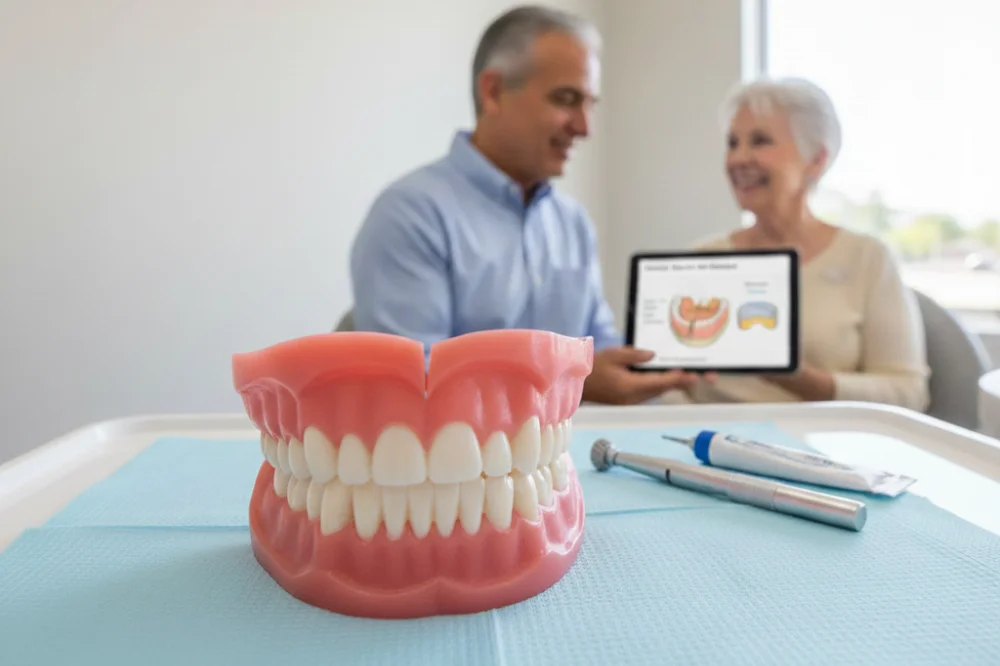
Denture discomfort doesn’t mean something’s wrong with you-it usually means it’s time for an adjustment. Over time, the shape of your gums and jawbone can change, affecting how your dentures fit. At Grand Prairie Family Dental, Dr. Behrooz Khademazad helps patients all across Grand Prairie-from Lake Parks to Dalworth Park-get relief from slipping, rubbing, or damaged dentures. This article explains how to spot the signs that your denture needs attention, what kinds of repairs are available, and how daily care can extend its life.
Dr. Khademazad has over 30 years of experience providing personalized dental care. Whether you’re dealing with minor irritation or a cracked denture, his goal is to keep your smile functional and comfortable. Patients from neighborhoods like Forum Estates, Florence Hill, and Lynn Creek trust him for expert guidance and long-term results.
Early Signs Your Dentures Need an Adjustment
Just like your shoes stop fitting right over time, so do your dentures. One day they sit fine, and the next you notice soreness or shifting when you talk. These aren’t small problems to ignore-they’re red flags that your denture needs a tune-up.
Gum irritation is often the first sign. If your denture is rubbing, clicking when you speak, or feels loose while chewing, it could be time for an in-office adjustment. Some patients also report jaw soreness or a feeling that their bite is no longer aligned. These issues don’t just affect comfort-they can also damage the surrounding tissue and your existing denture base.
The good news? Most adjustments are fast and noninvasive. Dr. Khademazad can often smooth down problem areas or recontour the denture to match your current gum line. Patients in Nottingham Estates and Mira Lagos often say they didn’t realize how uncomfortable things had become until they experienced the relief of a proper adjustment.
Common Types of Denture Repairs
Sometimes it’s not just about fit. Accidents and wear can leave your denture chipped, cracked, or uneven. Life happens-but with the right support, these problems are easy to fix.
The most common repairs we perform at our office include:
- Cracks in the denture base from dropping the appliance
- Broken or chipped teeth from biting into something hard
- Loose or worn clasps on partial dentures that affect stability
- Warped denture bases caused by soaking in hot water or heat exposure
Dr. Khademazad recommends bringing your denture in right away if you notice these issues. Avoid trying to fix them at home-glue and store-bought kits can cause more damage. Many repairs can be completed in-office the same day or quickly through our trusted lab.

Choosing the Right Solution for Long-Term Fit
If you’ve ever wondered whether you need a simple adjustment, a reline, or even a replacement, you’re not alone. At Grand Prairie Family Dental, we guide you through each option based on the condition of your denture and your comfort goals.
| Solution Type | When It’s Needed | Benefits |
| Adjustment | Minor irritation or bite changes | Quick, noninvasive, in-office fix |
| Reline | Loose fit due to gum or bone shrinkage | Reshapes the underside for better fit |
| Repair | Chips, cracks, broken teeth or baseplate | Restores function and appearance |
| Replacement | Denture is outdated or beyond repair | Full comfort, improved aesthetics |
Our goal is always to preserve what’s working and fix what’s not-without unnecessary costs. Patients from Lakewood to Sheffield often say the process feels easier than they expected.
How to Care for Your Dentures at Home
Preventing damage starts with smart, consistent care. Dentures require daily maintenance, just like natural teeth, to keep them clean and functional between visits.
To care for your dentures properly, we recommend:
- Rinsing and brushing them with a soft-bristled brush and denture-safe cleanser after meals
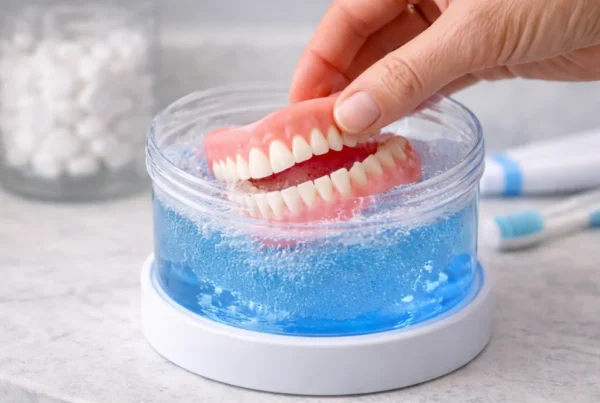
- Soaking them overnight in a cleaning solution to keep them hydrated and fresh
- Avoiding hot water to prevent warping the acrylic base
- Cleaning your gums and any remaining teeth to reduce irritation and buildup
- Handling them carefully over a towel or sink to avoid accidental drops
Patients from Brookfield North and Florence Hill who follow these steps often enjoy longer-lasting comfort and fewer complications. The better you care for them, the better they’ll care for your smile.
When to Schedule a Denture Evaluation
If it’s been more than a year since your last denture check-or if you’ve noticed new irritation, slipping, or speech issues-it’s time to schedule a visit. Ignoring early signs can lead to cracked dentures, sore spots, and unnecessary repairs.
Dr. Khademazad can quickly assess whether you need an adjustment, reline, or repair. Our team takes the time to explain every step and makes the process as smooth and comfortable as possible. Many issues can be resolved same-day or with a short turnaround from our trusted dental lab.
Taking the Next Step
There’s no reason to live with uncomfortable dentures. Small fixes make a big difference in your daily comfort, speech, and ability to eat. If your denture isn’t fitting like it used to, it may just need a quick adjustment or repair.
At Grand Prairie Family Dental, we’re here to help you maintain a confident, comfortable smile. Dr. Behrooz Khademazad and his experienced team work with patients from all over Grand Prairie-including Dalworth Park, Mira Lagos, and Lake Parks. Schedule your visit by calling (972) 988-0900 or stop by to get started.
Frequently Asked Questions
How often should dentures be checked?
Regular denture checkups help catch small fit or wear issues before they turn into sore spots, infections, or broken dentures. Patients want to know what “routine” really means once they’re in dentures.
What People Should Be Asking Instead: How often should my dentist evaluate my dentures and oral tissues to keep everything fitting comfortably and functioning well?
- Immediate Insight: Most experts recommend at least an annual denture checkup to evaluate fit, function, and the health of your gums and supporting tissues.
- Supporting Context: Evidence-based guidelines from prosthodontic organizations advise yearly professional cleaning and evaluation of dentures to minimize biofilm buildup and monitor fit as your mouth changes over time.
- Deeper Implication: Consistent, scheduled evaluations prevent minor problems (like looseness or sore spots) from becoming fractures, infections, or the need for emergency remakes, protecting both comfort and long-term oral health.
Citations:
What if my denture cracks?
A cracked or broken denture can instantly affect eating, speaking, and appearance. Many patients are tempted to “DIY” with glue, which can cause more harm than good.
What People Should Be Asking Instead: What is the safest, most effective way to handle a cracked denture so it can be repaired properly and still fit well?
- Immediate Insight: Do not try to repair a cracked denture with household glue or over‑the‑counter products; these can be toxic and permanently damage the material.
- Supporting Context: Mayo Clinic and professional guidelines emphasize that ill‑advised home repairs can change the fit, introduce rough edges, and interfere with proper professional repair or adjustment later.
- Deeper Implication: Contact your dentist as soon as possible, many offices can arrange prompt or same‑day repairs, preserving the original fit and avoiding the cost and inconvenience of a full replacement.
Citations:
Can I reline my denture instead of replacing it?
Over time, bone and gum tissues change shape, making dentures loose. Patients want to know if they must buy a whole new denture or if there’s a more conservative, cost‑effective option.
What People Should Be Asking Instead: When is a reline appropriate, and when has my denture reached the point where replacement is the healthier long‑term solution?
- Immediate Insight: If the denture base and teeth are still in good condition but the fit has loosened, a professional reline can often make it feel snug and comfortable again without a full replacement.
- Supporting Context: Prosthodontic literature and ADA‑aligned resources note that relining adds new material to the tissue side of the denture to adapt to changes in your gums and bone, restoring stability when the prosthesis is otherwise sound.
- Deeper Implication: Regular evaluation lets your dentist advise whether a reline will safely extend the life of your denture, or whether wear, fracture lines, or esthetic concerns mean a new denture will better support your long‑term function and oral health.
Citations:
- Evidence‑Based Guidelines for Complete Denture Care – Relining vs. Replacement:
- ADA – Denture Care and Maintenance:
Will insurance cover repairs and adjustments?
Cost uncertainty is a major barrier to necessary follow‑up care. Patients need realistic expectations about how denture maintenance fits into typical dental benefit structures.
What People Should Be Asking Instead: How do most dental plans treat denture repairs, relines, and adjustments and what can I do to know my out‑of‑pocket costs before treatment?
- Immediate Insight: Many dental insurance plans provide at least partial coverage for denture adjustments, relines, and certain repairs, especially within defined time periods after the denture is made.
- Supporting Context: Major carriers and ADA educational materials note that coverage varies by policy, there may be frequency limits, waiting periods, or specific codes for repairs vs. new dentures, so benefits must be verified case by case.
- Deeper Implication: Having your dental team check benefits in advance and provide a written estimate helps you plan confidently, making it easier to get timely maintenance rather than postponing care until problems become more serious or costly.
Citations: